


Setting up a business in the USA is challenging, but creating a niche on the web is more difficult. Among those first frontiers, there is one chief method to stand out in this modern digital world: SEO, or Search Engine Optimization. SEO for a startup isn’t just a marketing tool; it’s a lifeline that guarantees visibility, secures customers, and brings in revenue.
SEO is optimizing your website to rank higher in search engine results on Google. It matters because it results in greater visibility and more customers on your website. A well-implemented SEO strategy will be imperative to outpace the competition online and establish a startup.
In this guide, we’ll explore the most powerful SEO strategies for startups that will keep you one step forward while operating in an increasingly crowded digital space. Continue reading to discover how your startup could take off because you are great at SEO.
Contents
- 1 Why is SEO important for Startups?
- 2 What are 3 Important Components in SEO Strategy?
- 3 Top 10 SEO Strategies for Startups in the US
- 3.1 1. Keyword Research
- 3.2 2. Local SEO
- 3.3 3. Optimize for Mobile
- 3.4 4. Create Quality Content
- 3.5 5. Improve Website Speed
- 3.6 6. Get High-Quality Backlinks
- 3.7 7. Utilize Schema Markup Structure
- 3.8 8. Optimize for Voice Search
- 3.9 9. Leverage Social Media
- 3.10 10. SEO Performance Monitoring and Analysis
- 4 What Are the 4 SEO Rank Factors?
- 5 How to Plan an SEO Strategy?
- 6 What Are the 5 Types of SEO?
- 7 How to Choose a Good SEO Agency for Your Startup?
- 8 Conclusion
- 9 Frequently Asked Questions
Why is SEO important for Startups?
SEO is the basic requirement for online visibility and growth for a startup operating on a very low budget. Using SEO strategies for startups can enable one to obtain organic traffic without spending so much on very expensive advertising. The following are the main reasons why SEO is a critical tool:
Cost-Effective Marketing
While paid advertising stops bringing in results when the budget is spent, the main feature of SEO is that it continues to pay you long even after the budget is depleted. That is to say, an optimized website will keep trucking traffic in organic ways for months, or even years, beyond the initial work. That makes SEO one smart way to maximize your return on investment without ongoing costs.

Customer Acquisition
SEO attracts users looking for a product or service similar to your business’s. By ranking for relevant keywords, your startup will attract targeted traffic with high conversion rates and avoid expensive advertising campaigns.
Brand Authority
High ranking in search results builds up not only credibility but also trust. Most people start to trust a company more when it appears on the first page of Google. SEO strategies for startups will help you raise your brand’s visibility and build a really strong reputation in your industry.
Generally speaking, SEO provides startups with an effective and inexpensive way to outcompete their competitors. It simply levels the playing field and allows new businesses to compete favorably and build a strong online presence without needing enormous marketing budgets.
What are 3 Important Components in SEO Strategy?
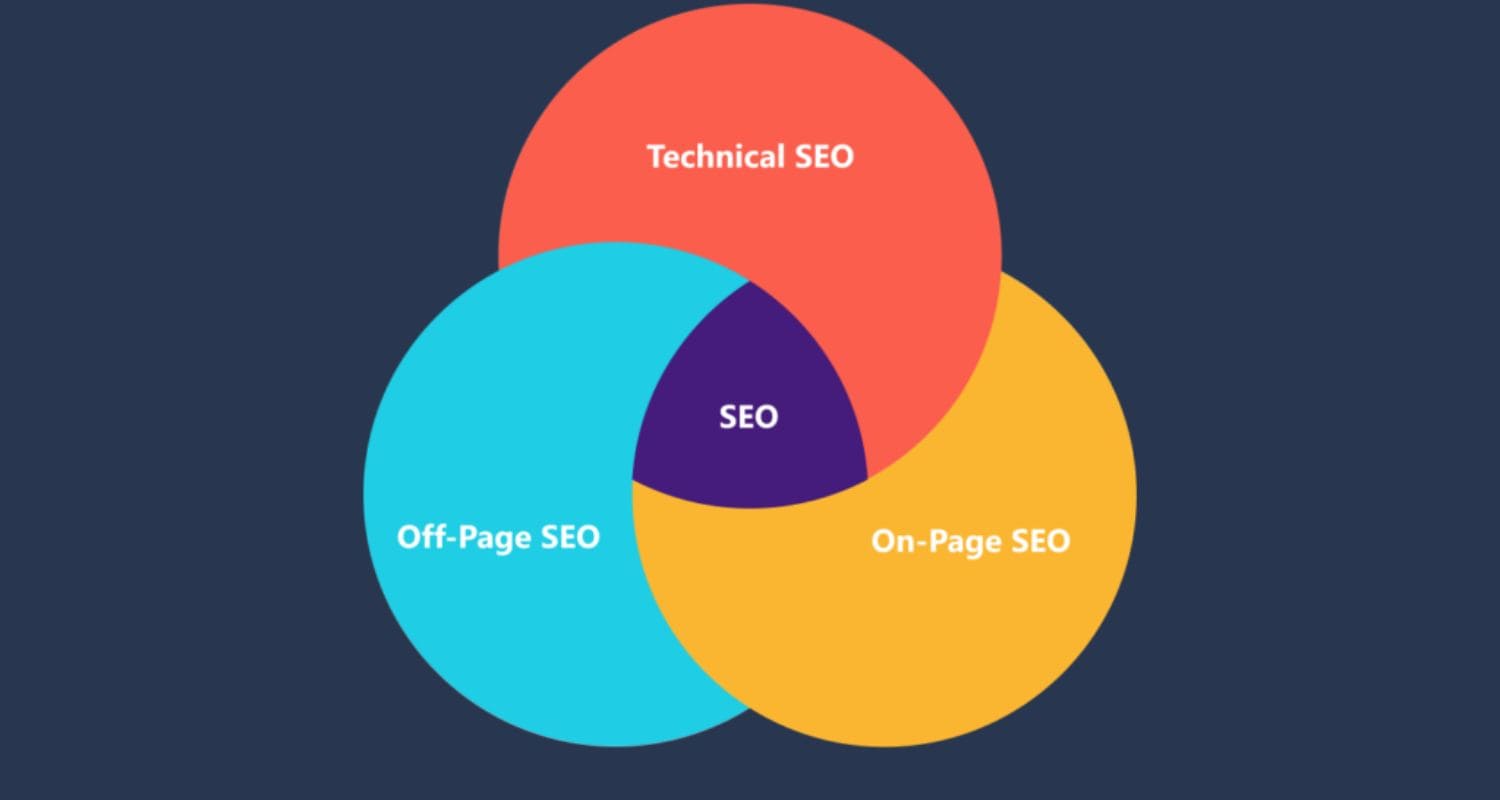
A good SEO strategy for a startup should be able to implement all three segments of on-page SEO, off-page SEO, and technical SEO in a full-circle approach.
Here are three essential components of SEO strategy:
1. On-Page SEO
On-page SEO involves optimizing elements on your website, which helps you rank higher on search engines and provides a better user experience.
- Keyword Strategy: Conduct keyword research that explains what your target audience wants, and strategically place the keywords in your content, heading, and alt text of the image.
- Meta Tags: Title tags, meta descriptions, and header tags help search engines understand your page’s content. Well-optimized meta tags result in increased click-throughs.
- Quality content: Quality content must be relevant and interesting to users. It must show the answer to user intent. Ideally, it must be unique, informative, scannable, and fresh to add value.
2. Off-Page SEO
Off-page SEO is a task done outside your website to help improve rankings.
- Link Building: This includes high-quality backlinks gained from other authoritative websites. In addition to telling search engines that your website is trusted, boosting domain authority enhances it.
- Brand Mentions & Social Engagement: Positive brand mentions, guest blogging, and social media signals boost your SEO. A search engine will examine these external variables to determine your website’s reputation.
3. Technical SEO
The technical part of SEO involves optimizing the infrastructural part of your website, which affects how search engines crawl and index it.
- Web Page Speed: The faster the web page, the better the user experience and the higher the rank. To accelerate your web page load time, use compressed images, enable browser caching, and use a content delivery network (CDN).
- Mobile Optimization: Since Google moved to mobile-first indexing, website design responsiveness has become critical. Your website should be optimized for mobile, which loads faster and is easier to navigate.
- Structured Data & XML Sitemap: Structured data will help search engines understand content better. At the same time, the sitemap in XML will help crawl and index the website pages effectively for search engines.
Thus, by focusing your attention on all these three components, you can create a solid foundation in SEO.
Top 10 SEO Strategies for Startups in the US
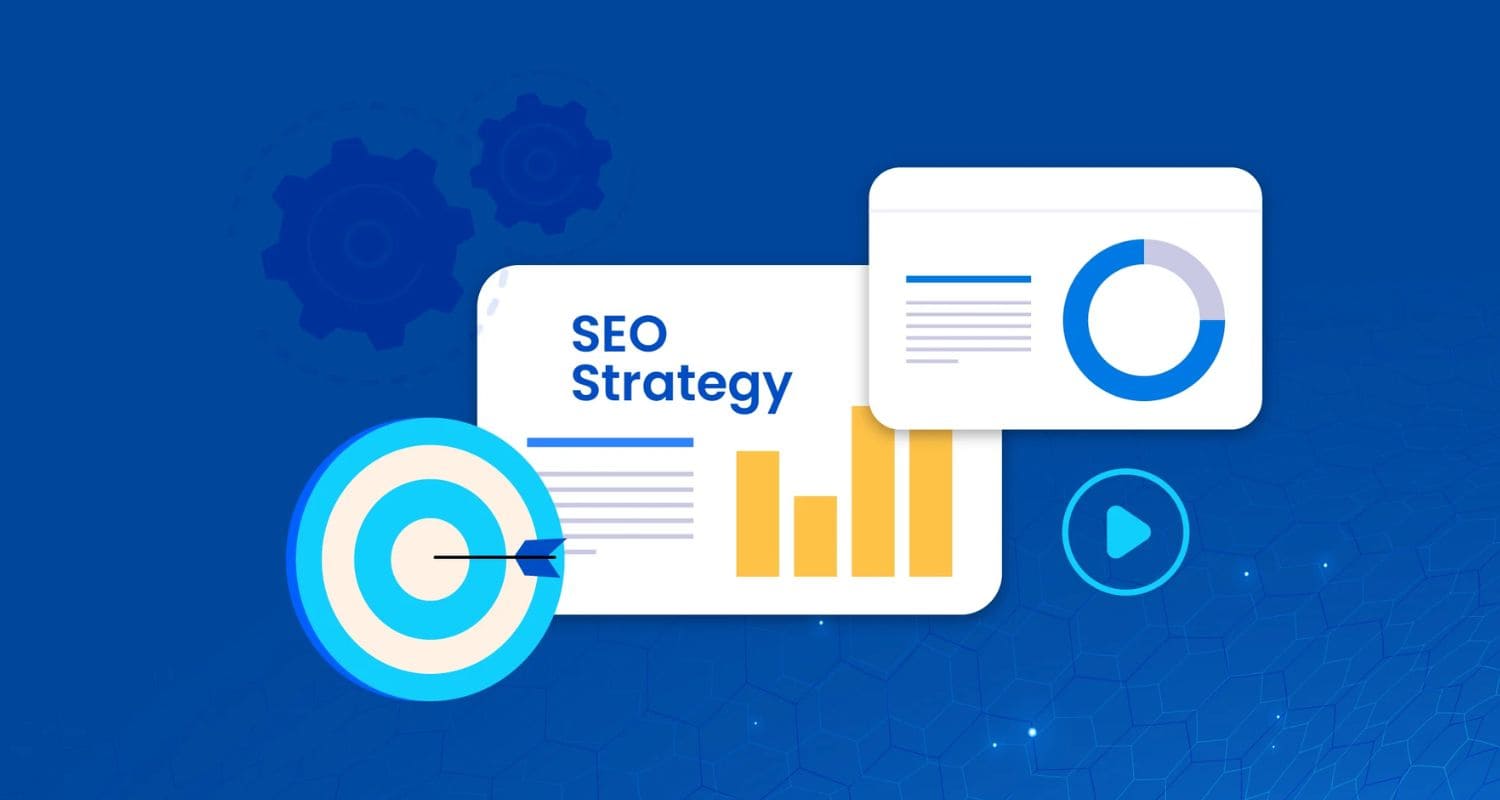
A successful SEO strategy for startups must be wholesome and top-notch. Here are the top 10 SEO strategies for startups that will guarantee huge growth:
1. Keyword Research
Keyword research is the bedrock of any solid SEO strategy for a startup. First, establish keywords highly relevant to your business. Employ Google Keyword Planner, Ahrefs, or SEMrush to find new keywords that are highly searched yet have low competition.
Focus more on long-tail keywords since they are more specific and have higher conversion rates. Such keywords serve users who are closer to making a purchasing decision. Use them naturally in your website’s content, meta tags, and headers to improve search engine rankings and attract targeted traffic.
2. Local SEO
If your startup is set out to serve a specific geographic region, then it is a must to implement local SEO. Claim and optimize your GMB listing, ensuring each business information-enhancing field is accurately and consistently filled in.
Optimize your website for local search terms, such as mentioning your city or region in key site areas like titles, meta descriptions, and content. Gather positive customer reviews and encourage them to leave feedback on your GMB profile and other review websites. This will improve your ranking in the local search results and make it much easier for customers to find you.
3. Optimize for Mobile
Due to Google’s mobile-first indexing, your website must be responsive. A responsive design adapts to a wide range of screen sizes, improving the user experience and, eventually, search engine rankings. Make sure your website is mobile-friendly.
Use the Google Mobile-Friendly Test tool to check how your website fares regarding mobile results. Web pages should load fast and be easy to navigate, with elements easy to tap on and text readable without zooming in. Ensure mobile optimization to avoid a high bounce rate, thus increasing user satisfaction, which is probably helpful for ranking.
4. Create Quality Content
Content is the backbone of SEO. To rank higher, create high-quality, informative, and entertaining content that answers your audience’s needs and questions.
Long-form content should be 1,500-2,500 words, with comprehensive topic research, offering relevant keywords. This type of content lures users to your website and encourages others to build backlinks, enhancing your website’s authority and improving SEO results.
5. Improve Website Speed
Page speed is a critical factor for ranking. Slow-browsing pages can annoy users and increase a website’s bounce rate. Tools such as Google PageSpeed Insights analyze a website’s speed and show areas for improvement.
The optimization of images can be done by compressing the images, enabling browser caching, and minimizing the server response time. Minimizing redirects and removing extra code will also improve loading time. Faster-loading websites offer a better user experience and are more search engine-friendly.
6. Get High-Quality Backlinks
Backlinks are one of the key factors that search engines consider for ranking. These are recommendations for your site from other websites, each acting as a signal of credibility and authority. Aim for high-quality backlinks from authoritative websites within your niche.
Methods for achieving this include guest blogging, creating shareable content, and reaching out to influencers. Avoid methods that lead to low-quality or spammy links, as doing so will negatively impact your website’s reputation and rankings.
7. Utilize Schema Markup Structure
Schema markup, also known as structured data, helps search engines contextualize information from your site. Extra details in a search result will raise click-through numbers and your site rankings. Avail of every helpful tool, such as Google’s Structured Data Markup Helper, to assist you in adding schema to your website efficiently.
8. Optimize for Voice Search
As the usage of voice-enabled devices keeps growing, the need to optimize for the trend also increases. Most voice searches usually apply natural language and long-tail keywords. Adapt your content to target better conversational phrases and questions a customer may use.

Focus on clear, concise answers to commonly asked questions about an industry. This will increase your website’s likelihood of showing up in results for voice searches and attract traffic from users of voice-enabled devices.
9. Leverage Social Media
Although social media signals do not directly help in SEO rankings, social media helps increase your content and traffic. You can share your blog posts, articles, and every other informative material through various social networking sites to increase visibility and interaction.
Social media creates brand awareness, attracts potential customers, and encourages sharing, which may indirectly affect your SEO because it drives traffic and engagement.
10. SEO Performance Monitoring and Analysis
Continuous improvement will involve regular monitoring and analysis of your SEO performance. Utilize tools like Google Analytics and Google Search Console that track key metrics such as organic traffic, bounce rate, and keyword ranking.
Analyze to identify what works and what needs adjustment. This continuous analysis will refine your SEO strategy for adapting to changes in search algorithms and competitiveness within your industry.
All these strategies will help you build a solid online presence, draw targeted traffic, and ensure continued growth in the fierce digital world. With the help of SEO strategies for startups, contact SamBlogs, and we’ll guide you through the best solutions.
What Are the 4 SEO Rank Factors?
Several factors fix your ranking on Google. However, these four factors play the most influencing role when it comes to SEO strategies for startups:
1. Relevance and quality of the content
Websites that continue publishing unique, engaging, and informational content that answers user queries stand a better chance of ranking well. The content needs to be optimized for the right keywords, informing something valuable and more than what a user has searched.
2. Backlink Profile
Backlinks help Google understand that your website is credible and of value, since other authoritative, trustworthy websites point links back to you. The more diverse your backlink portfolio or the more domain links you receive from high-quality domains, the better your ranking could be. The more authority held by the linking website, the better.
3. User Experience
A great user experience is everything for SEO rankings. When users immediately leave your site, it’s called a high bounce rate and may be used by Google as a signal against your website, indicating that your website isn’t offering value. Ensure your website is easy to navigate, looks good, and can load fast.

4. Technical SEO
Today’s most important technical SEO factors are mobile-friendliness, HTTPS security, site speed, and schema markup-structured data. A well-structured website that is easily crawled and indexed favorably supports superior search rankings.
How to Plan an SEO Strategy?
Planning an SEO strategy for a startup involves several steps to ensure that you create a solid foundation. Here’s how to go about it:
1. Set clear goals
Before discussing SEO practices in detail, define clear-cut goals. Do you want to increase organic traffic, rank for specific keywords, or enhance user experience? The definition of these goals drives your strategy.
2. Audit Your Website
Do a thorough audit to reveal where your website needs enhancement. Tools like Ahrefs or Moz will help you uncover broken links, crawl errors, and areas where your website could be enhanced for search engine optimization.
3. Create an SEO Roadmap
Having the audit in your possession, create a roadmap revealing what areas you will focus on. This may be keyword research, on-page optimization, building backlinks, and technical improvements.
4. Monitor Your Success
Use Google Analytics and many others to analyze how your website is performing. Create a recurring meeting, either every month or every quarter, where you can change what works and what does not.
Your long-term success with SEO will be determined by just how strategic, professional, and data-driven it is.
What Are the 5 Types of SEO?
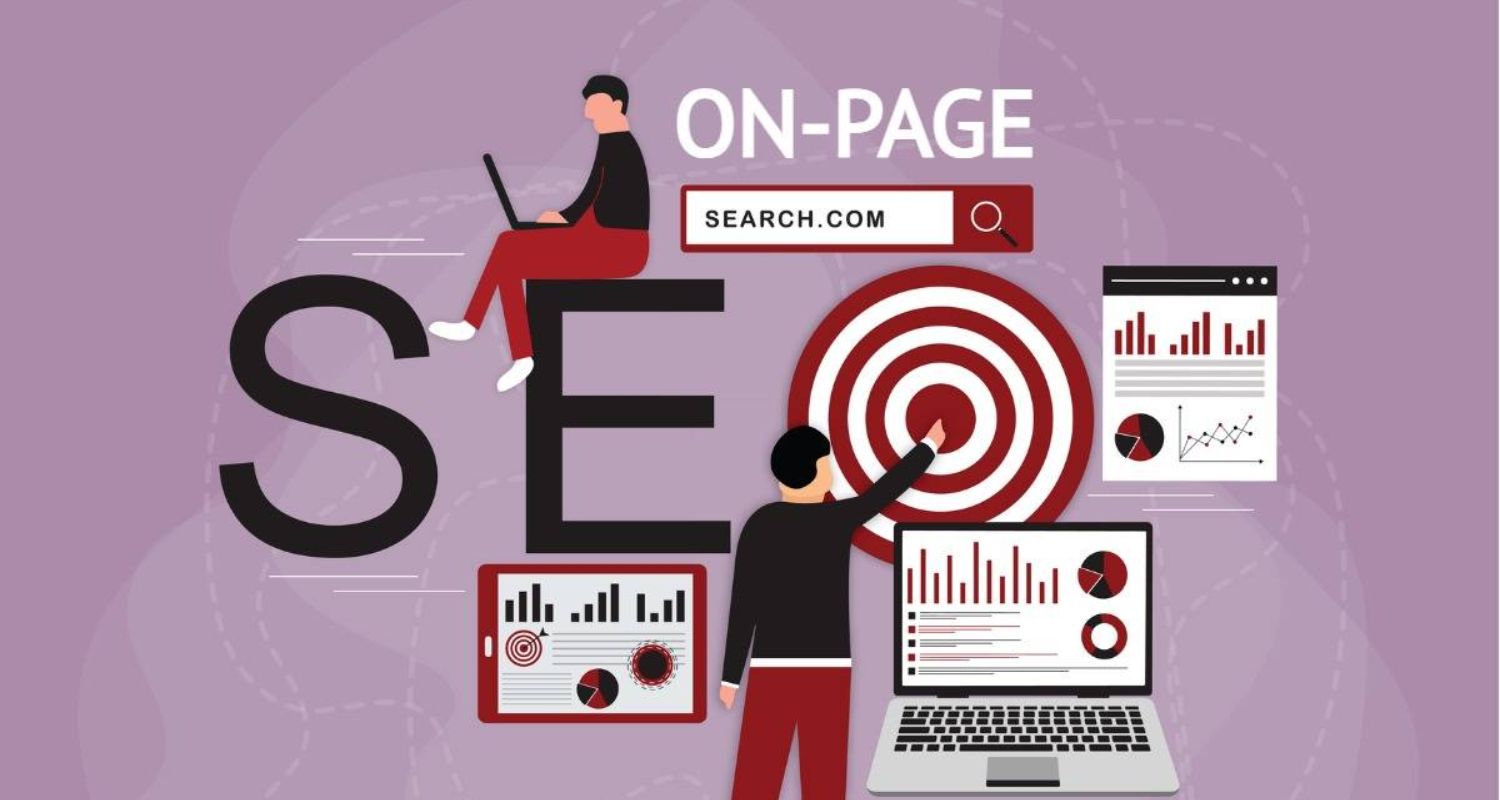
1. On-Page SEO
On-page SEO focuses on your site’s individual pages, from meta tags to keyword optimization to content.
2. Off-Page SEO
Off-page SEO includes but is not limited to building backlinks, guest blogging, and social media engagement activities on the web outside your website that boost the authority of your website.
3. Technical SEO
Technical SEO optimizes your website, allowing search engines to crawl and index it effectively. That will include site speed, mobile optimization, and schema/structured data use.
4. Local SEO
This enables your website to be optimized for local searches. It’s critical for a startup, given that it serves the customer’s needs within a locality. Your website needs to have local keywords, and it also needs to be listed in Google My Business.
5. E-commerce SEO
E-commerce SEO optimizes online stores to enhance product visibility in search results. This will involve optimizing product descriptions, improving site speed, and building backlinks to product pages.
Each variety of SEO contributes differently to enabling startups to get higher rankings and increased visibility.
How to Choose a Good SEO Agency for Your Startup?
Finding the right SEO agency is one of the major decisions you must make while selecting a good one for your startup.
1. Expertise and Experience
Prioritize experience in handling successful SEO strategies for startups from the agencies. They should have enough exposure to your industry or niche. Check out their case studies and what their clients have testified to understand how effective they can be. This way, an agency that has already pulled off several successful projects is bound to yield results for your business.
2. Transparency
A good SEO agency will be transparent regarding its practices and methods. It would provide comprehensive reports regarding what they are doing and how to elaborate on every step they take to enhance your SEO. Avoid agencies that are secretive regarding their strategies or cannot regularly update you as much as possible. It helps you understand precisely what is being done and assures you that the SEO practices they offer are acceptable to you.

3. Customized Solutions
Each startup is unique, and thus, they have varied needs and objectives. Find an agency that delivers customized SEO strategies to help meet your business objectives and reach your target audience. In such a scenario, your SEO efforts will be precisely tailored to your startup needs and thus effective.
4. Communication
Communication is vital in any partnership. Search for an agency that responds well and communicates throughout the process. They should be accessible, quick to update, and address your inquiries or concerns. Good communication creates a collaborative environment and ensures both parties are on the same page.
5. Pricing
While cost is a major factor, do not run after cheap agencies. Some agencies quote cheap SEO services since firms might use unacceptable practices or low-quality outcomes. Instead, balance affordability with quality. Investing in a reputable agency may cost more upfront but yield better long-term benefits for your startup’s SEO efforts.
Visit SamBlogs for more tips on choosing a good SEO agency in the US. We have worthwhile expert reviews and recommendations concerning SEO services for startups.
Conclusion
SEO is one of the major tools for startups to expand their growth in the digital landscape. Thus, implement proper strategies to increase online visibility, attract potential customers, and build a good brand reputation.
Therefore, the startup must continuously produce quality content, optimize on-page and off-page factors, and conduct constant performance analysis. Do it yourself or hire a professional agency that will bring long-term results and lead your startup toward its business objectives. Contact us at SamBlogs if your startup needs expert SEO strategies in the USA. We’re here to help!
Frequently Asked Questions
How much time does it take to notice SEO results?
SEO is a long-term strategy that can take 3 to 6 months to notice its results.
Can I do SEO myself for my startup?
Yes, you can. Numerous free resources and tools are available to help get you up and running with SEO. However, targeted results will be more assured when working with an expert.
How frequently should I revise my SEO strategy?
SEO is a constantly changing field; the general rule of thumb is to revisit your strategy at least every 3-6 months for adjustments.