


The U.S., one of the largest and most diverse consumer markets, presents marketers with numerous challenges and opportunities. Analyzing consumer behavior in the USA will yield essential insights and allow businesses to tailor their strategy.
On the one hand, digital consumerism significantly influences how buyers consume content nowadays. At the same time, digital marketing has also adapted to keep pace with changing consumer actions.
This article explores consumer behavior in the USA, examining factors that impact buying choices and how age, mindset, culture, and other elements can shape these decisions. We’ll also discuss how digital marketing can adjust to evolving consumer behavior in the USA.
Contents
Understanding the U.S. Consumer
In the U.S., you’ll encounter many customers, each seeking something different. Their likes and dislikes shift based on age, where they live, how much money they have, and other factors.
Companies must grasp consumer behavior and change their approach to meet consumers’ wants.
Demography and Psychographics
To understand U.S. consumers well, we must examine their demographics and psychographic details. This will help us better understand the target customers’ varying needs.
Demographics
When it comes to demographics, the U.S. stands out for its diversity. Its population is an excellent mix of ages, ethnicities, regions, and income levels. By 2024, the U.S. will have more than 332 million people, with minority groups growing fast.


Hispanic, black, and Asian communities are getting bigger, shaping cultural norms and what people like to buy. About 44% of American millennials belong to racial and ethnic minorities, while only 25% of baby boomers make this section.
Millennials, Gen X, and baby boomers are some of the leading consumer groups that comprise the American market. However, there are also constantly diverse subcategories of these groups with successively different demands, habits, and socioeconomic circumstances.
- Psychographics
Looking at psychographics, American shoppers are guided by their values, how they live, and what they think. More and more, people want to have experiences rather than own things.
About 75% of consumers are more inclined to purchase from brands that match their values and support similar causes. They’re drawn to brands that match their personal beliefs and steer clear of ones that support causes they disagree with.
This change can be seen in people buying more eco-friendly and ethical products. Shoppers now prefer brands that show they care about society and the environment.
Consumer Values and Attitudes
U.S. shoppers prioritize ease, customization, and good deals. They also care about brands and consider social and environmental concerns.
People prefer companies that are open about their methods and get involved in critical social issues. How people feel about brands depends on how genuine they seem and how well they match their personal beliefs.
Four of five American consumers stated that businesses should use more specific labels for their sustainability projects instead of using the term “sustainability,” which might be interpreted as vague or dishonest.
Regional Differences
The U.S. has a mix of different landscapes and cultures, which affect how people buy things. People’s needs and preferences also vary from region to region.
Take the Northeast; folks there often go for stylish and pricey brands. But head down South, and you’ll find people care more about stuff for the whole family. There is also a factor of income and availability. Not every region is equally flourishing and connected to growing trends.
Where you live also affects whether you choose local or big-name brands. Some places like to support businesses in their area instead of going after brand names.
Cultural Influences
Cultural influences significantly impact consumer behavior in the USA. A great mix of cultures in America follows varying traditions and customs. Marketers must consider many different cultural backgrounds and traditions to appeal to consumers from all cultures.
Cultural differences impact how people consume goods since each has its own set of beliefs, values, and practices. Consider variations in culture and treat them with respect while creating marketing efforts. This promotes understanding and a sense of connection with various customer groups.
For example, marketing campaigns that do well in Anglo-American areas might need to be changed to appeal to Hispanic or Asian-American consumers. Understanding and using cultural differences in marketing plans is critical to connecting with a diverse audience.
Digital Behavior of U.S. Consumers
The Internet now offers almost everything, thanks to technological breakthroughs. E-commerce has dominated the retail scene in recent years. The convenience of online shopping impacts how U.S. consumers respond to marketing.
Online Shopping Habits
Online shopping is central to U.S. consumer purchases today. New data reveals that more than 80% of Americans buy online. Shopping from home and access to a broader range of products make it attractive.
The growth of mobile commerce has pushed this trend even further. Many people now use their phones and tablets to make purchases while out and about. The wide range of online shopping sites also gives consumers plenty of options.
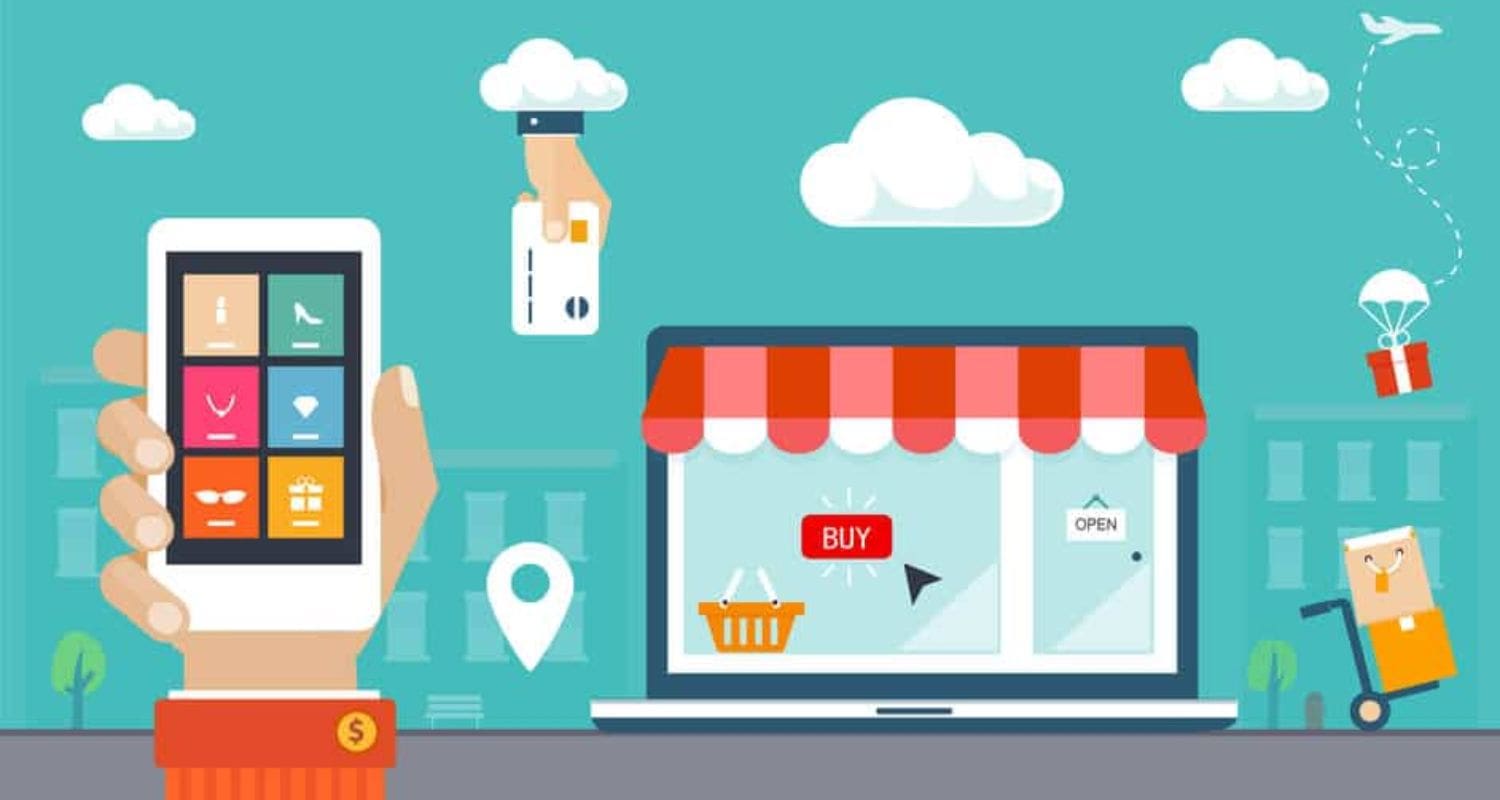

Over the last few years, people have grown fond of shopping online from the comfort of their homes. This trend has become noticeable during the holiday season.
Digital Usage Patterns
Social media has become a significant part of our everyday lives. Online practices in the U.S. show people are into digital platforms. It takes up a big chunk of everyday life, with Facebook, Instagram, and TikTok being go-to spots for passing time and buying stuff.
About 77% of internet users in the U.S. between 18 and 24 are on one or more social media platforms. People also spend a lot of time on streaming services like Netflix and Hulu, which shapes what they expect from personalized content and ads.
Digital Content Consumption
In the U.S., people tend to prefer visual and interactive digital content. Over two in ten smartphone users aged 18 to 54 reported using their devices for at least 40 hours a week.
Videos and short clips on TikTok, Instagram, and YouTube grab attention and often help people find new products.


There’s also a rising interest in interactive content, such as quizzes and polls, to give users a more tailored and engaging experience.
Privacy Concerns
Privacy concerns impact consumer behavior in the USA. As people learn more about data theft and misuse, they’ve become wary of sharing their information online.
With the increasing use of social media and other retail platforms, there has been an increase in digital theft from various sources. Identity theft, malware, and payment details theft are common cases that consumers have encountered.
This has pushed them to ask for more transparency and a say in how companies use their data. Marketers must tackle these issues by implementing strong data safeguards and explaining their privacy methods to gain customer trust.
Adapting Digital Marketing Strategies
Digital marketing keeps changing. There’s always something new and old. Companies must keep up with the latest trends to get the most out of digital marketing and stay in sync with customer behavior in the USA.
Personalization
Personalization is critical to successful digital marketing in the U.S. People haven’t wanted to look for things in our fast-paced world for ages. Customers now want tailored experiences that match their personal tastes and actions.
Tailoring everything to fit customer needs as much as possible helps retailers. It boosts engagement, makes customers happier, increases conversion rates and profits, improves search rankings, and strengthens brand loyalty.
Data analytics to create tailored content and suggestions can boost engagement and increase sales. For instance, personalized email campaigns and ads that target based on browsing history and buying habits can improve marketing results.
Content Localization
Content localization adapts marketing messages to fit regional and cultural differences. This involves more than just translation; it requires changing content to connect with local values and tastes.
Your content’s core message remains the same, but other aspects, such as the color palette, design, and posting time, are changed to suit the locals.


For example, a marketing campaign that succeeds in New York might need changes to appeal to people in Texas or California. Localization also includes using local dialects and cultural references to make the content feel more familiar.
With content localization, you can better engage with local customers, making them feel familiar. This helps boost engagement and attract more consumers to your site.
Mobile Optimization
Websites must work well on mobile devices as more people shop and browse on their phones and tablets. Sites and online content must give users a smooth experience on smartphones and tablets.
Sites should load faster, be easy to use, and have layouts that fit small screens. The user interface should be easy to navigate for everyone. Mobile apps can also boost user interest by offering push alerts and deals based on your location.


With mobile optimization, the sites get better visibility on search engines and increased conversion rates, improving the user experience.
Data-Driven Marketing
Marketing based on data uses statistics and insights to make choices and plan strategies. It helps personalize the site as per consumer behavior in the USA. Tools like Google Analytics, social media stats, and customer relationship management systems offer valuable insights.
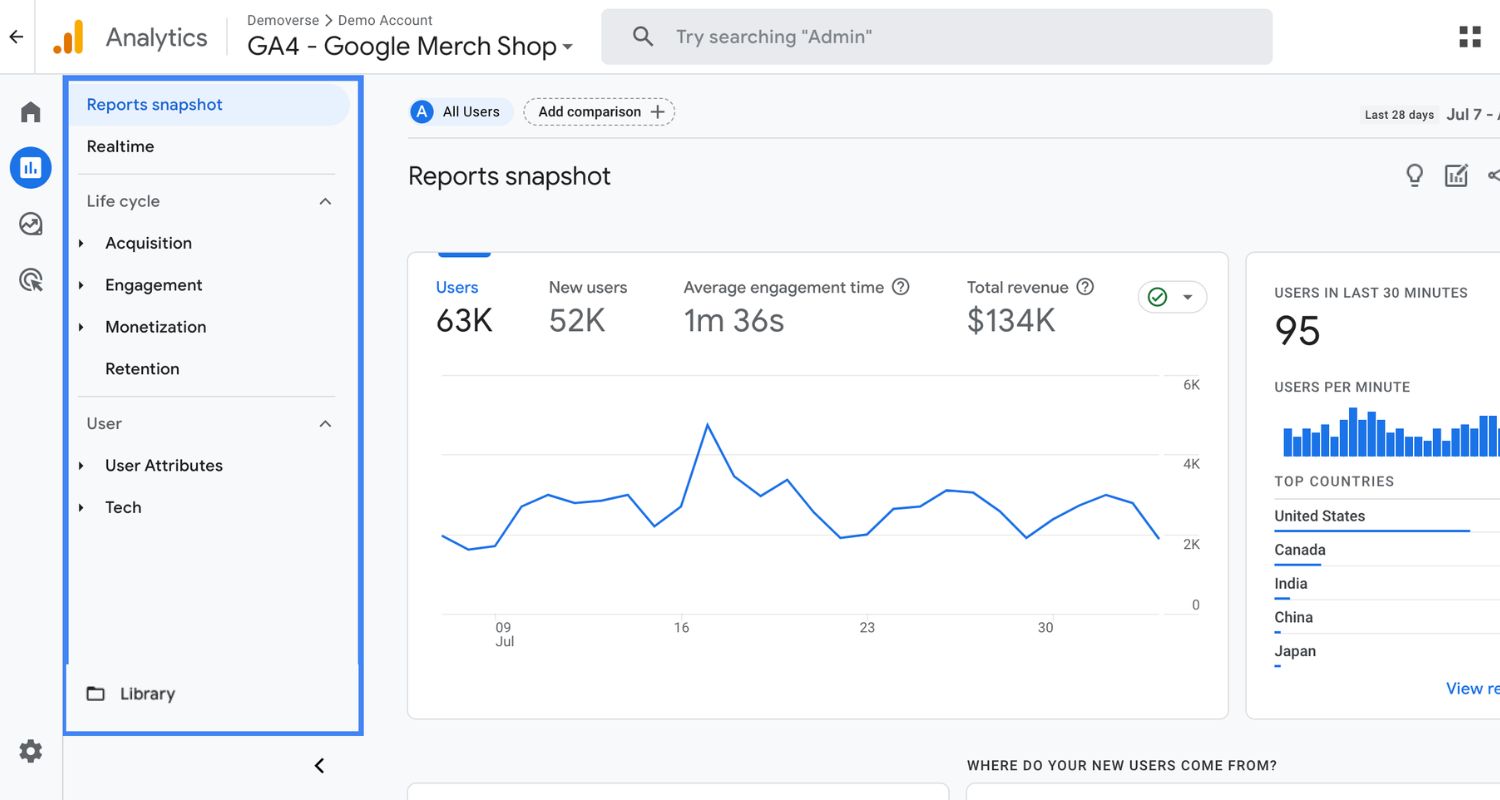

These days, people see brand messages and ads all the time, so they’ve become pickier about what they pay attention to. By looking at how people act, what they enjoy, and what’s trending, marketers can create better campaigns and achieve better outcomes, grabbing the interest of the people they want to reach.
Use data analytics to better understand customer behavior, helping companies make decisions based on current information. These can guide marketing efforts and help you get more value for money.
Influencer Partnership
Influencer partnerships have a significant influence on digital marketing. The increased use of social media has led to more people engaging in online content, watching the creators, and relating to them.
In the U.S., influencers and creators have gained significant followings, building a solid fan base that looks up to them and everything they do. This makes using influencer partnerships for brand promotions a primary digital marketing tactic.


Brands with significant followings in specific niches or groups can reach new audiences and gain trust. Influencers create authentic content that clicks with their followers, which leads to more engagement and sales.
It is essential to pick influencers who match the brand values and target audience to make these partnerships work best. Having a considerable following on social media platforms is just as important when selecting the right influencer to partner with.
Customer Experience
Improving the customer experience is critical to creating lasting relationships and building brand loyalty. This means delivering top-notch service at every point of contact, from the first interaction to after-sale support.
Tactics like custom suggestions, quick customer service, and simple returns can significantly impact customer satisfaction and loyalty. Putting effort into customer experience can result in good reviews, customers returning, and more word-of-mouth referrals.


Nowadays, customers seek convenient browsing, more payment options, access on multiple devices & platforms, easy-to-access reviews, faster delivery, and easy returns. Maintaining the brand’s website and mobile app for consumer convenience is also important.
Provide outstanding customer service as your first priority, and ask for feedback often to improve your products and services.
Future Trends and Adaptations
With the evolution of technology, consumer choices and several upcoming trends keep changing. Many new trends will shape digital marketing plans in the U.S.:
- Artificial intelligence and machine learning: These technologies have become more available in recent years. They increasingly impact content personalization, consumer behavior prediction, and marketing process automation.
Many businesses use A.I. chatbots to produce content for their websites and social media pages. These technologies can boost targeting precision and make campaigns more effective.
Artificial intelligence and machine learning benefit both consumers and marketers. A.I. chatbots help customers resolve their queries and help businesses create engaging ad strategies for their target audience.
- Voice Search Optimization: Smart speakers and voice assistants are gaining popularity, making it crucial to optimize content for voice search. Most smartphone users depend on voice assistants, such as Google Assistant, Siri, and Alexa, for daily tasks.

Marketers must adjust their SEO strategies to handle conversational search queries and provide relevant, voice-friendly content. Marketers should consider consumers’ questions about their products or services to prepare for these new search terms.
Augmented Reality (A.R.) and Virtual Reality (V.R.): A.R. and V.R. technology provide immersive experiences that can boost product discovery and engagement. For example, virtual try-ons and interactive product demos can create a more engaging shopping experience.
- Sustainability and Ethical Practices: As buyers care more about the environment, companies must show they care, too. Sharing values and supporting the exact causes attracts consumers to the brand.
Businesses need to be open about where they get materials, how they make products, and what good they do for society. This builds trust and keeps customers returning as they better relate to the brand.
- Blockchain Technology: Blockchain can make online deals safer and more open. This technology permits an open exchange of information inside a corporate network without the risk of data theft.
Marketing professionals might use blockchain to keep data safe and secure. This can help win over customers who worry about their privacy and how companies use their information.
Conclusion
Knowing consumer behavior in the USA is critical to creating effective digital marketing plans. Marketers can make targeted plans that connect different groups by examining demographics, psychographics, regional and cultural effects, and how people use digital tools.
To make marketing more effective, they can adjust their approach by personalizing content, adapting it to local needs, making it work well on mobile devices using data insights, teaming up with influencers, and focusing on the customer experience.
In the future, it will be crucial to use new technology and follow trends to stay ahead in the changing digital world. As consumers like to keep changing, constant adjustment and new ideas will be vital for long-term success in digital marketing.